You may also like

2023
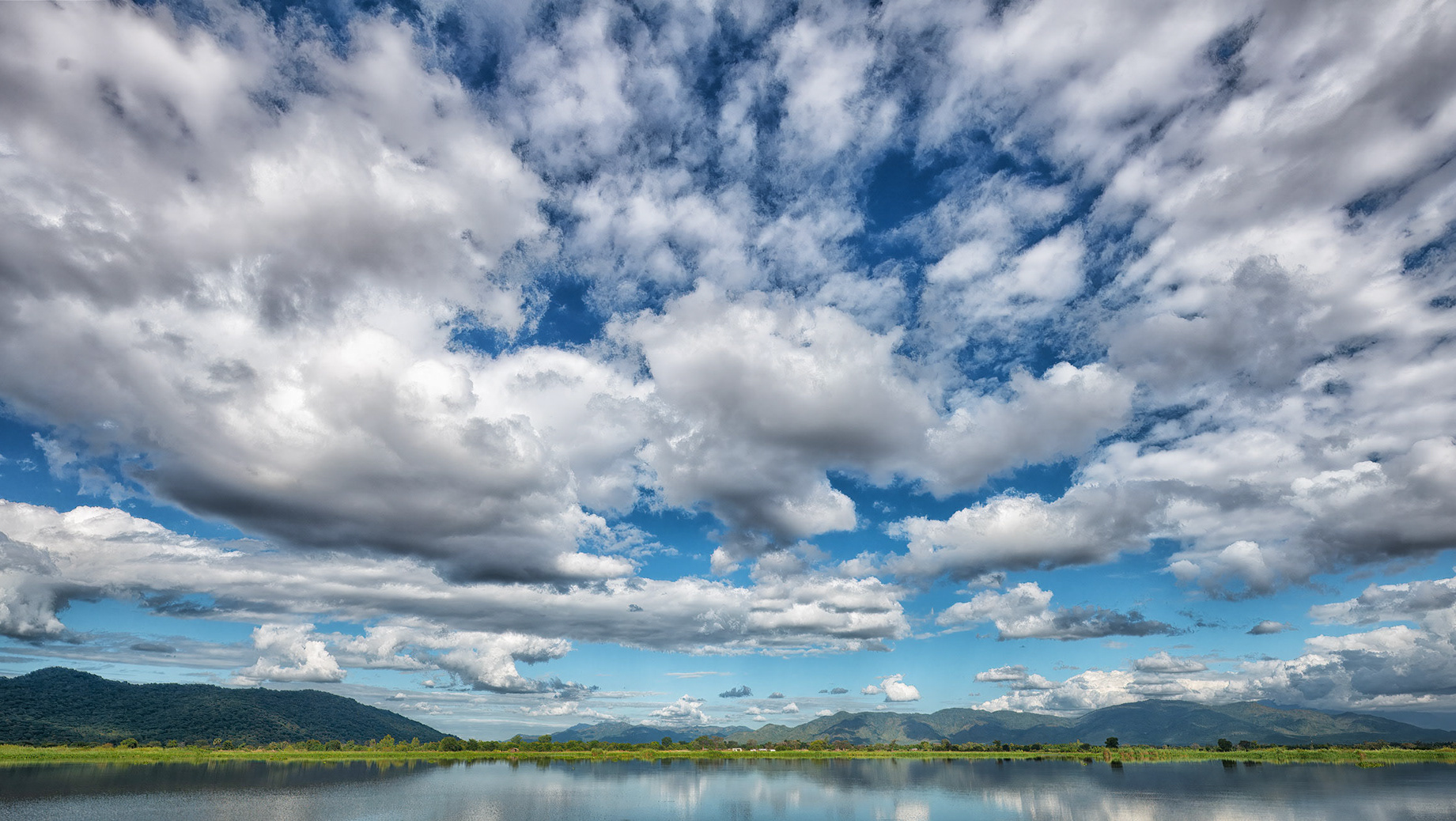
Liwonde Landscapes
Liwonde National Park in southern Malawi, sits on the shores of Lake Malombe and the first 30 kms of the Shire River as it starts its long journey south to join the Zambezi River in Mozambique. In African terms it is a small park, 548 square kilometres, but it adjoins the Mangochi Forest Reserve which acts as an essential dispersal area especially for Liwonde’s elephants and brings the total fenced area to 903 km2. The beauty of Liwonde lies in remarkably varied habitats compressed into a comparatively small area. Along the river and its lagoons there are extensive reedbeds, riverine thickets and extensive floodplain grasslands with patches of palm-savanna. The floodplains are adjoined by savanna woodland with baobab, acacia, albizia and mopane. Several hills rise steeply from the plain and they are densely forested with miombo woodlands.
It is a beautiful and wildlife rich location easily accessible from the capital Lilongwe or from Blantyre. The park can be explored all year round from its well-maintained network of roads and from the river.
2024
Liwonde Floodplain Birds
2024
Malawi's Raptors
2023
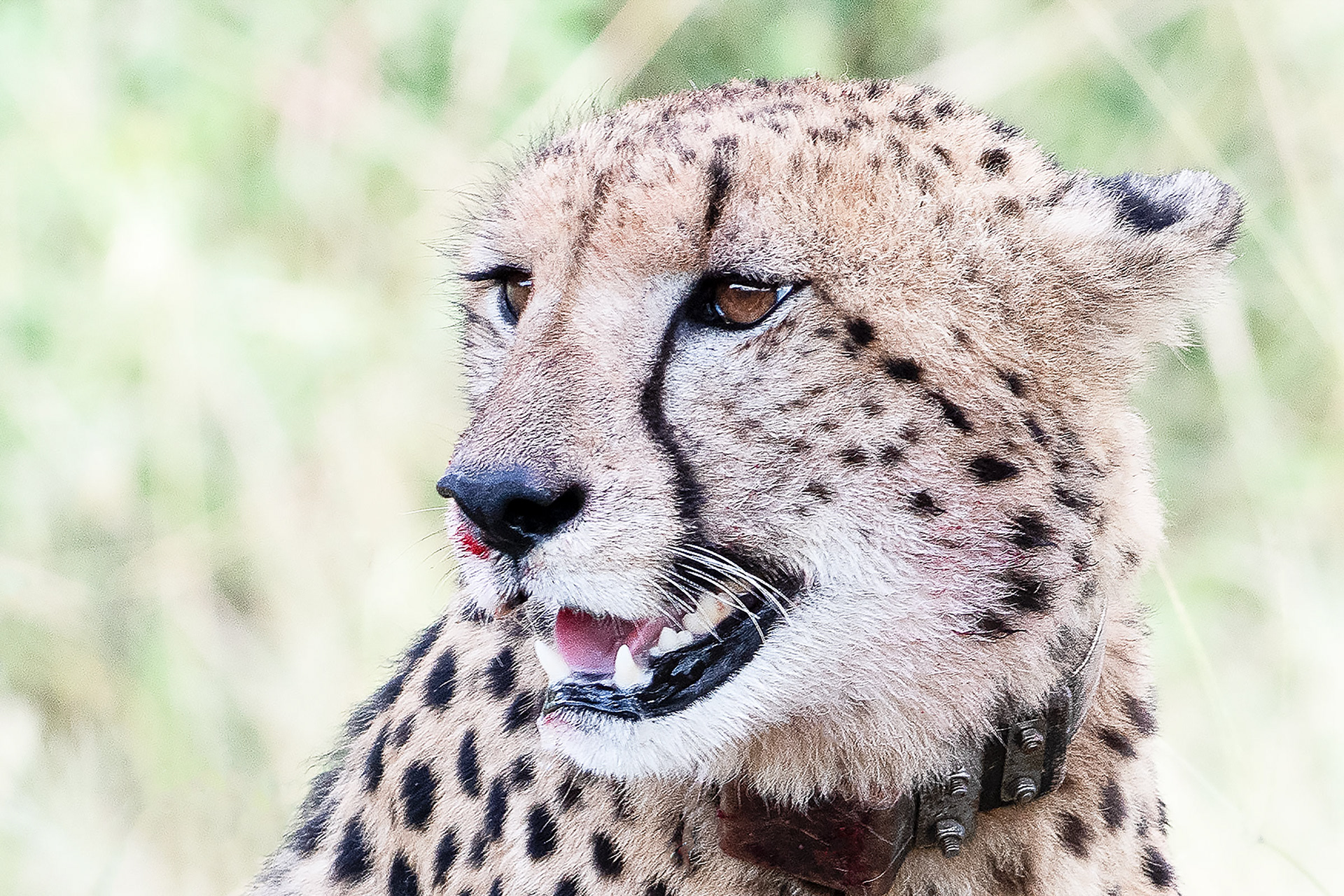
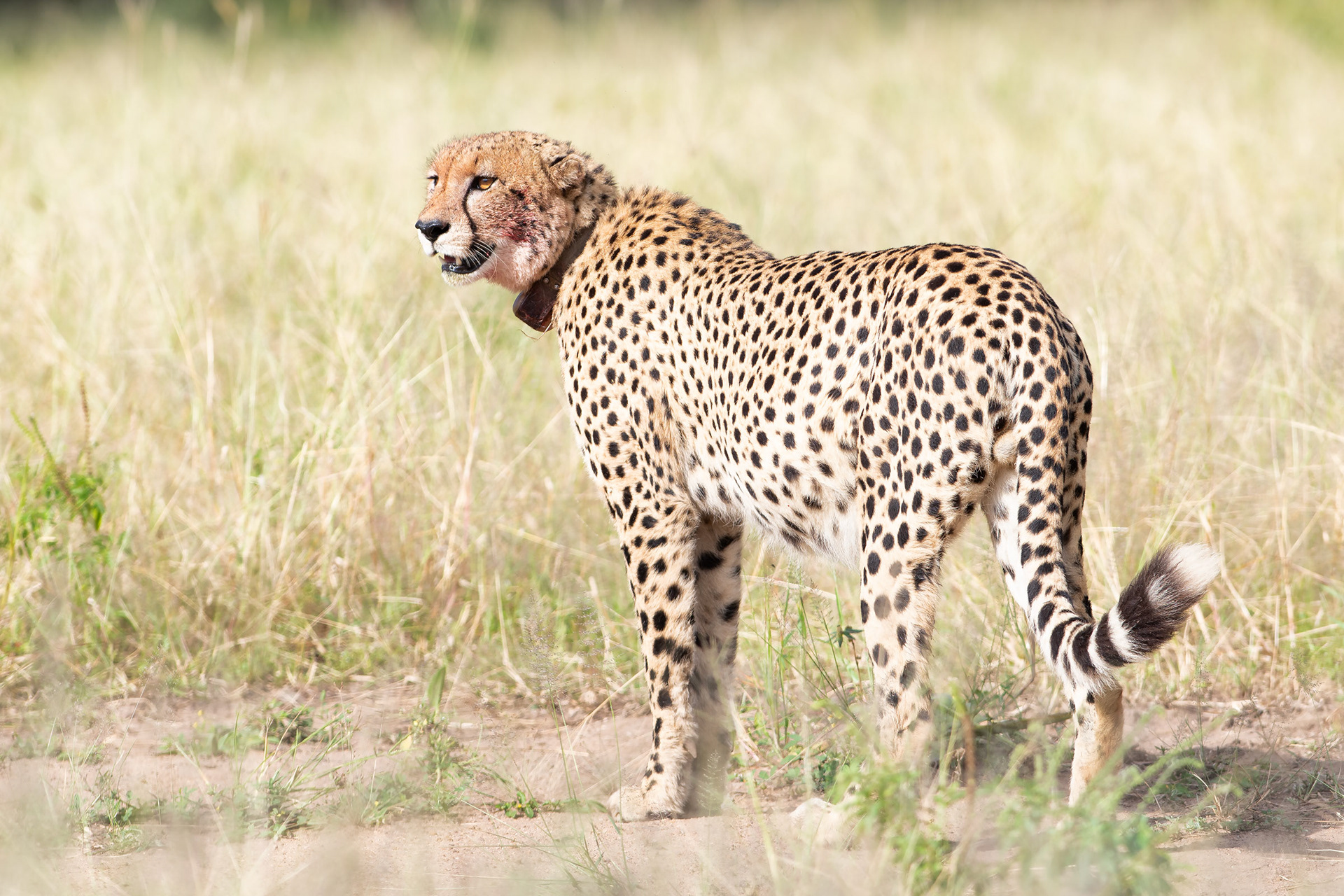
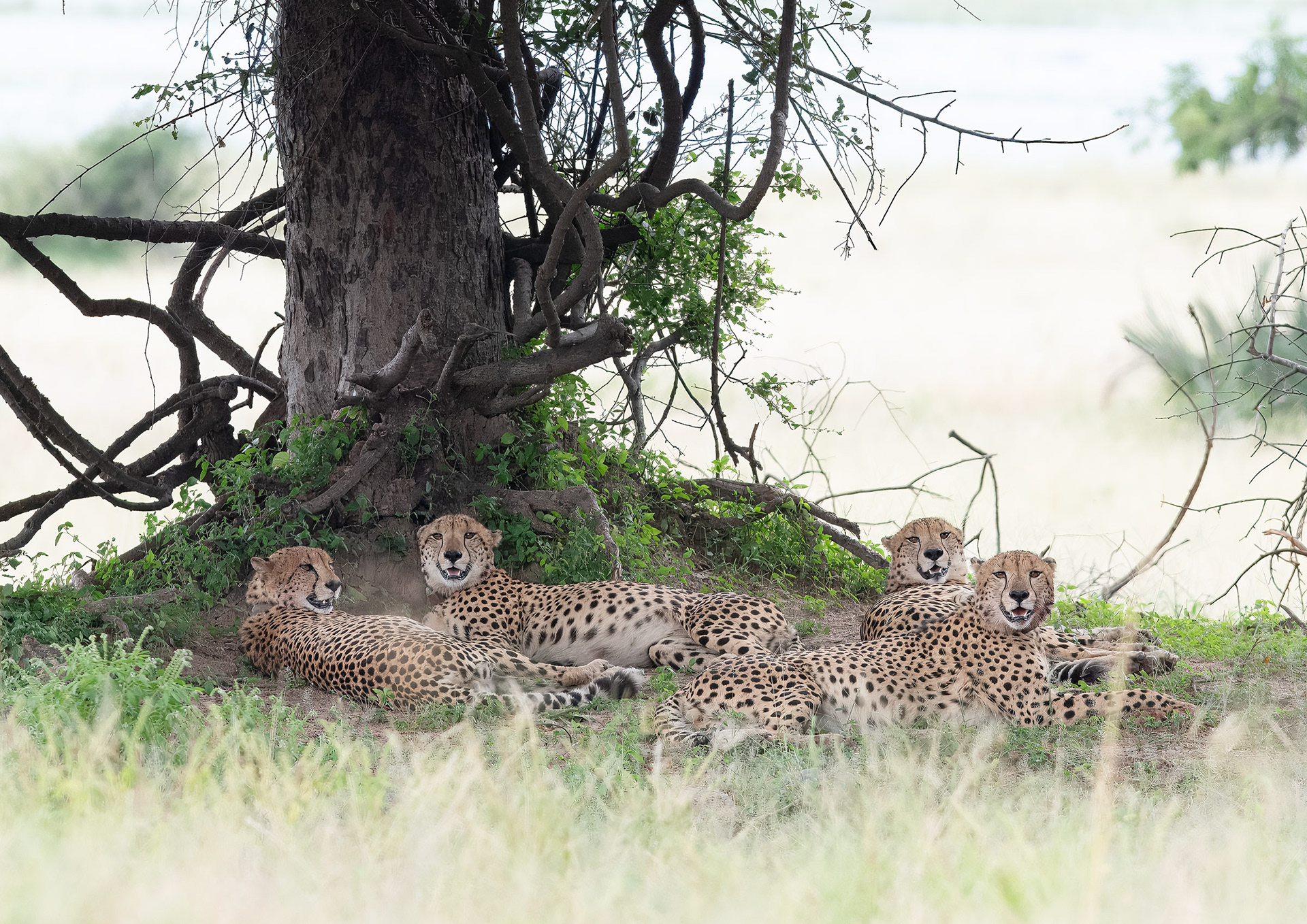
Liwonde Lions
The Lion Recovery Fund tells us "Without lions, disease spread is likely across species, and vast savanna grassland ecosystems would disintegrate into dysfunctional, barren landscapes impacting all life within."
In August 2018 the first of nine lions were translocated from South Africa and released into The Liwonde National Park in Malawi. This momentous event managed by African Parks Network and supported by funds from the Dutch Government, The Lion Recovery Fund and the Leonardo DiCaprio Foundation began the process of re-establishing the African apex predator in what had once been part of their natural territory.
In 2021 the number of Liwonde lions increased by 4 cubs proving their translocation is succeeding. Lions play a vital role in maintaining a healthy and balanced ecosystem. Firstly, by keeping herbivore populations in check thus preventing over grazing and secondly by killing the weakest animals which in turn plays a key part in avoiding the spread of disease or genetic defects.
2023
Elephant Marsh
Elephant Marsh is a 61,556 ha wetland in the lower Shire area of Malawi. Although the elephants that Livingstone saw in 1859 are long gone the marsh supports a huge population of birds. Cruising the channels on an airboat is a remarkable and truly unique experience, a bird photographers dream.
2024
Malawi's Kingfishers, Rollers & Bee-eaters
There are 5 species of roller in Malawi; they all eat ants, termites, grasshoppers and larger insects but some including the lilac-breasted and European rollers will take lizards, frogs, snails and rodents. They get their name from their mating display which includes swoops and rolls and, if successful, concludes with aerial consummation. The lilac-breasted roller will swoop on its larger prey and beat it senseless with its wings before eating and is clever enough to hunt on the edges of bush fires to catch insects, lizards and rodents as they escape.
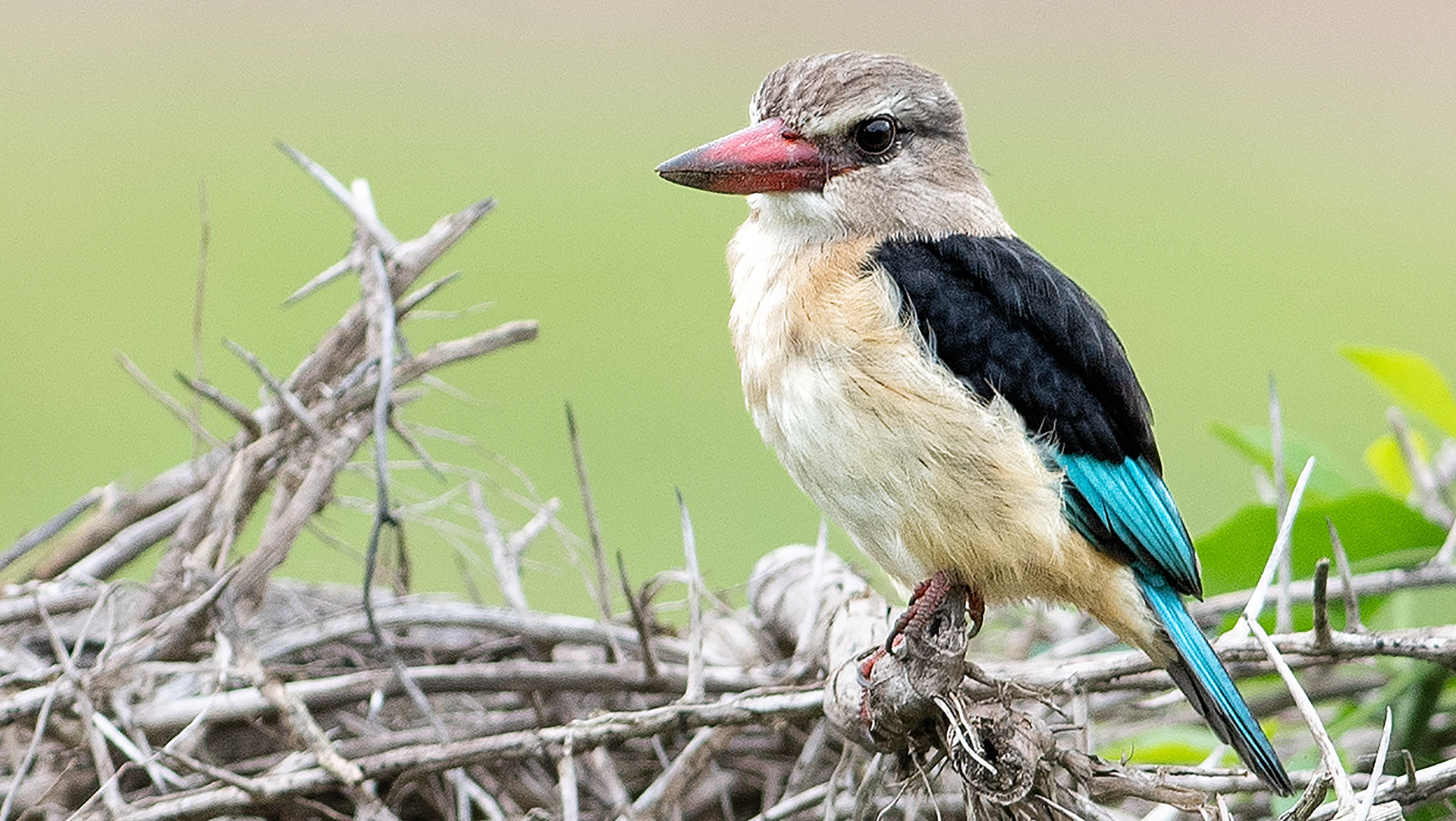
Kingfishers, bee-eaters and rollers are related; the kingfisher is the most widespread with 114 members of the family spread all over the world with 14 species in Africa that vary in size from the tiny dwarf-kingfisher at 10cm in length to the giant kingfisher that can be as much as 43cm long. At least 9 species can be found in Malawi, and they don’t all eat fish, only the giant, malachite, half-collared and pied catch fish in Malawi while the woodland, grey-headed, brown-hooded, pygmy and striped mainly eat insects with a size helping of frogs, lizards and in some cases small snakes.
There are also plenty of different Bee-eaters in the world with at least 8 species to be found in Malawi. As the name suggests they eat bugs and it is fun to watch them catching beetles, bees and flies in mid-flight; they cleverly beat a bug’s head on a branch to stun it then rub its rump on a rough surface to remove any sting or toxins before eating it.
2023
Garden Birds of Blantyre
These photographs were taken between 2022 and 2023 in and around the campus of Saint Andrew's International School in Blantyre, Malawi.
2023
Liwonde Elephants
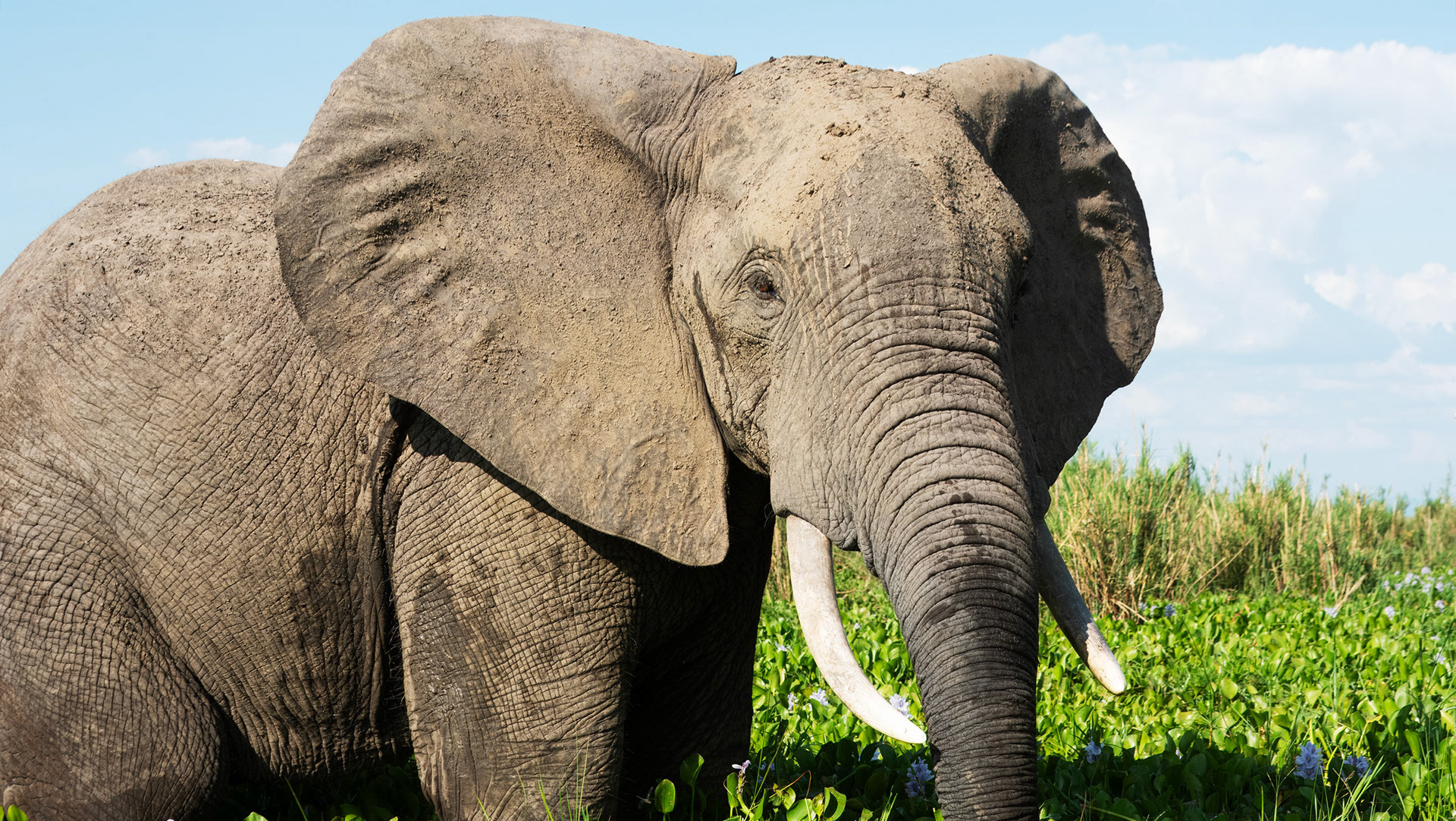
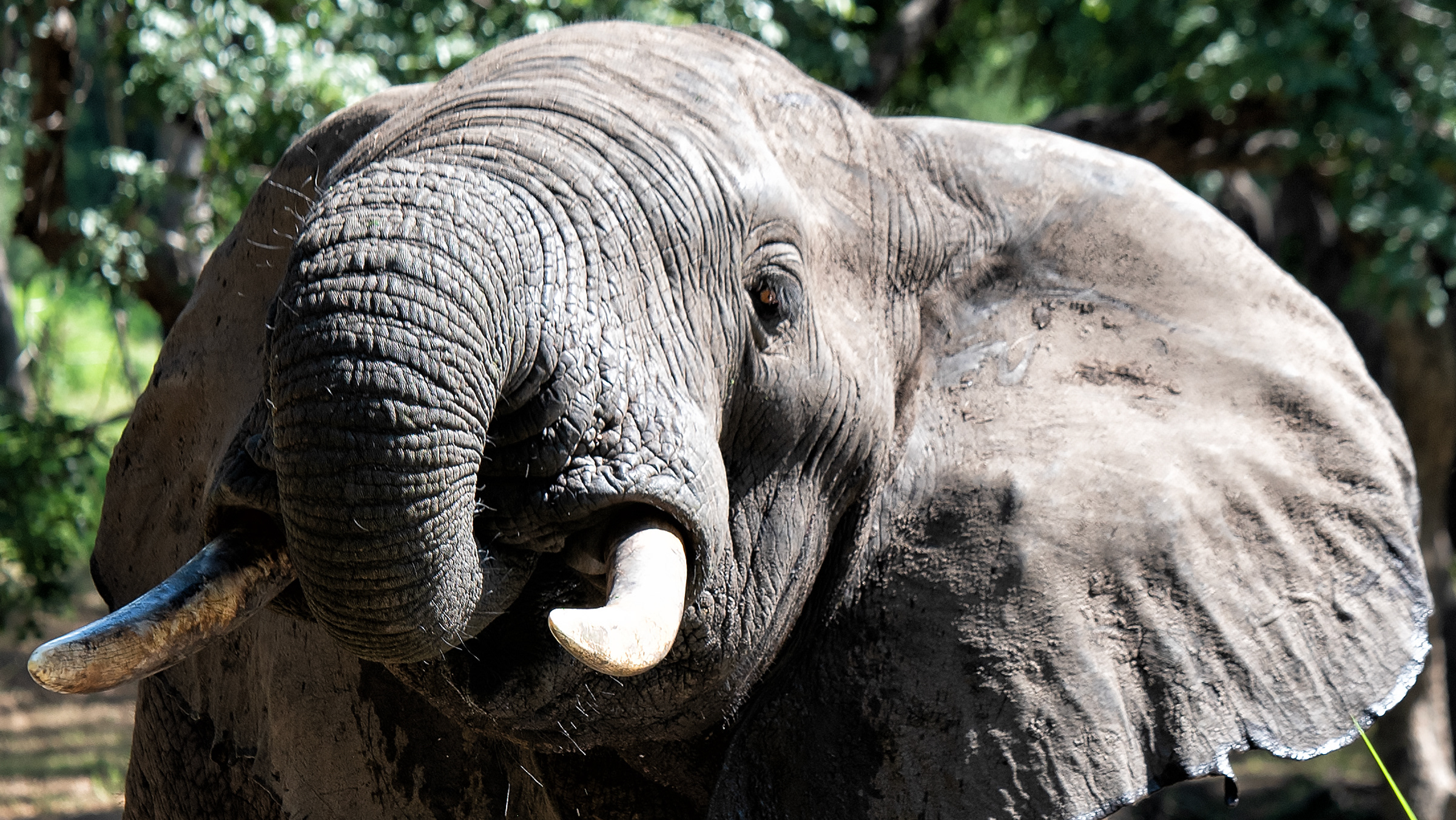
These beautiful giants now thrive within the confines of the park. The Shire River offers the opportunity to seek out these magnificent creatures by boat and provides visitors with close up, eye to eye encounters.
In the first seven weeks after African Parks (AP) assumed responsibility for The Liwonde National Park in 2015 a total of seven people were killed by dangerous animals highlighting what AP called unprecedented levels of human-wildlife conflict in the area. The elephant population wandered freely from the park into the surrounding farms to raid crops so the construction of an elephant proof fence around the whole 142km perimeter was a priority. In 2018 AP took over the management of the Mangochi Forest Reserve which adjoins Liwonde increasing the park by 60% and subsequently the fence to 244 kms.
The net result of AP's good management, the outstanding park staff, the fence, local education, and various projects to help local subsistence farmers increase their incomes and their reliance on bush meat, the addition of Mangochi as a dispersal area and the deployment of over 60 rangers has dramatically impacted the conflict. Since July 2016 not a single elephant or human has died because of human-elephant conflict.
2023
Majete Elephants
The interrelationship between Liwonde, Majete and Nkhotakota is fundamental to the success of wildlife and specifically elephant conservation in Malawi; both Majete and Liwonde have successful breeding herds, but they are small parks whose elephant population could easily tip from being a success story into becoming a problem if they exceed the parks’ capacities. Nkhotakota on the other hand is a large park, a "sink habitat" capable of supporting 1,500 elephants.
The elephants of Majete are a success story nestled inside an even bigger success story. When African Parks (AP) took over the management of the Majete Wildlife Reserve in 2003 there were no elephants or rhino and few antelope left in the park. Thriving populations had been ravaged by poachers. Then in 2006 AP translocated 70 elephants from Liwonde National Park, approximately 200km by road to the north; in 2008 they were followed by a further 64. In 2009 the International Fund for Animal Welfare (IFAW) and AP came together to move a complete herd of 83 elephants from the small Phirilongwe Forest Reserve west of Liwonde, where serious elephant human conflict had been happening for decades, to Majete. These 217 elephants were the founding population in the park.
Perhaps the best way to measure the success of this initial translocation project is to consider that just 7 years later in 2016 AP started translocing 150 Majete elephants to the Nkhotakota Wildlife Reserve 600 km to the north as part of the largest elephant translocation in history with other elephants coming from Liwonde National Park to total an incredible 500 giants.
2023
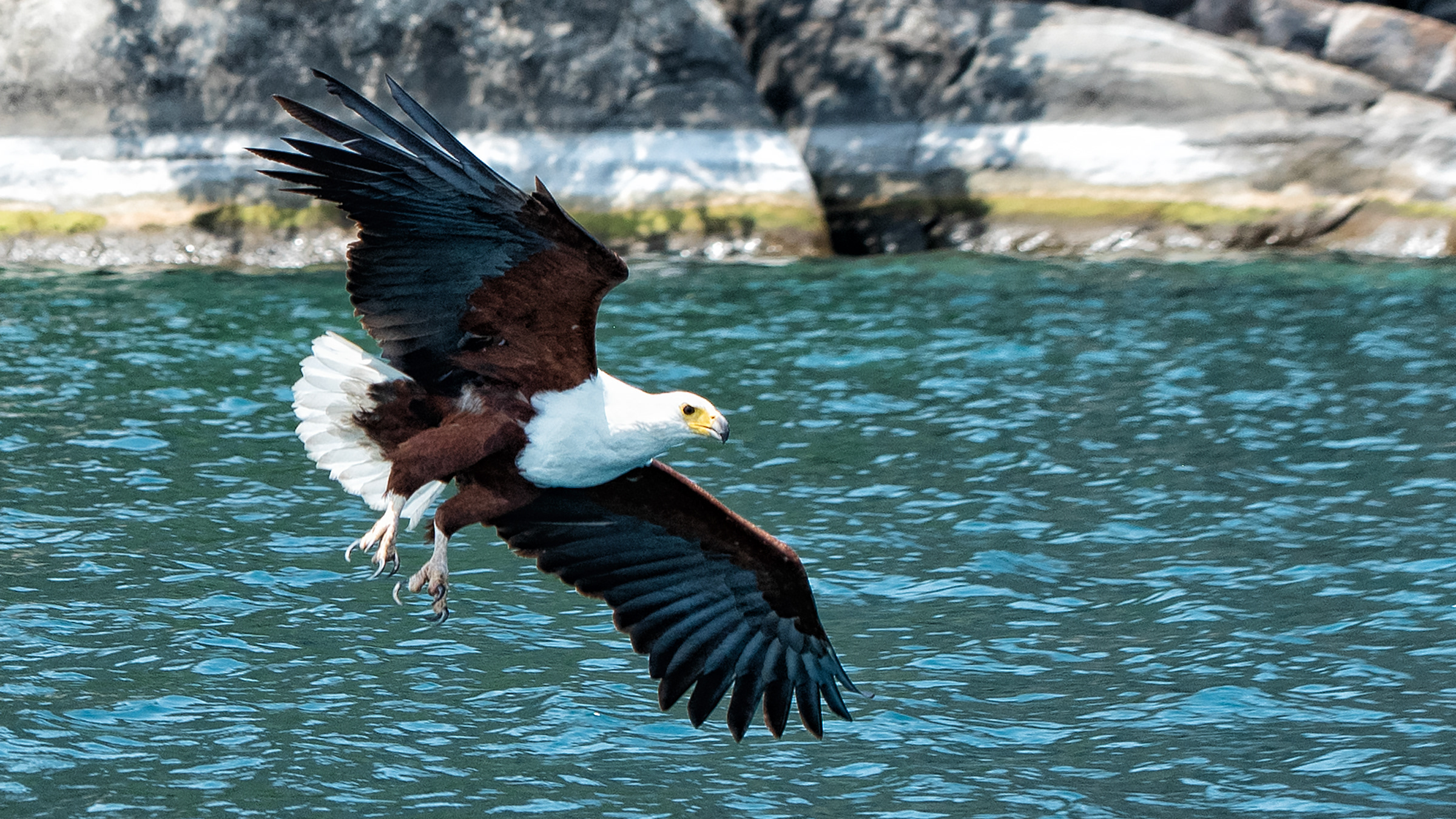
Fish Eagles of Cape Maclear
Set your speed as high as the light allows, with wildlife photograph I always work on manual settings so I can juggle the speed and aperture as the light and circumstances change. For these birds you want as high a speed as you can get away with, the photos here were all taken at 1/2500 and faster would probably been better, but don’t compromise depth of field, I would aim for f8 but these photos were mostly f5.6 which was generally okay. Unless the day is super bright expect your ISO to head towards or over 1,000 but modern cameras will generally cope with this. For focusing you have two choices; either set your focus option to continuous so it changes as the bird moves, if you are side on focus won’t be changing too much which allows the second option which is to set your camera to manual focus and pre-focus on the spot where the fish are being thrown. Whichever options you use you will be setting the shutter release to continuous so you can fire off bursts as the bird dips down for the fish.
The African Fish eagle is the national bird of Malawi and is part of the sea eagle family which includes the American bald eagle and the European white-tailed eagle which we have here on the Isle of Wight. It likes a fish supper but has a varied diet including frogs, terrapins, ducks and small crocodiles. Its cry is one of the most memorable sounds of Africa which you will hear around just about any wide expanse of water and sometimes near surprisingly muddy waterholes. The Fish Eagle is something of a tourist attraction on Lake Malawi; buy some fish, hire a boat out to an island or a promontory; imitate the fish eagles call to attract its attention (you may want to get the boatman to do this bit); throw a fish into the water and watch the eagles dive and take the offered snack.
If you want to take photos you might need a little practice and a bit of planning. First off ask the boatman to position you with the sun behind you or at worst to your right or left when you are facing where the birds will take the fish. It is worth having enough fish to have multiple shoots which might mean you need to find more than one family of eagles. You will want to be side on for some shots and It will be nice to have some shots with the birds flying straight towards you as these are the easiest shots to make if you set your focus system to continuous.
Back to Top